About this video
Video by Vitek Innovation: Instagram Profile
Viral 3D Printing Hacks Put to the Test
The internet is full of viral 3D printing hacks that promise glass-smooth finishes, stronger parts, and effortless support removal—but do they actually hold up? This video works through ten of the most-shared tricks and separates the legit techniques from the clickbait.
The Hacks That Worked
- Acetone vapor smoothing (ABS): Sealing an ABS print in an airtight container with acetone-soaked paper towels melts away visible layer lines for a glossy, glass-like finish. Smoothing time runs about 1–4 hours depending on print size.
- The heat mold trick: Printing a heat-resistant base in PETG or ABS, then pressing a heated PLA part onto it, lets you shape custom forms cleanly.
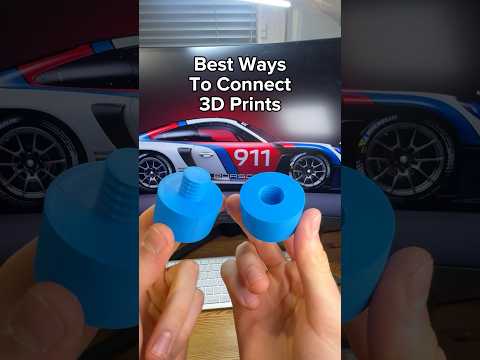
- Dovetail cuts in the slicer: Using the slicer's cut tool set to "dovetail" creates interlocking connectors that snap together—often with no glue needed.
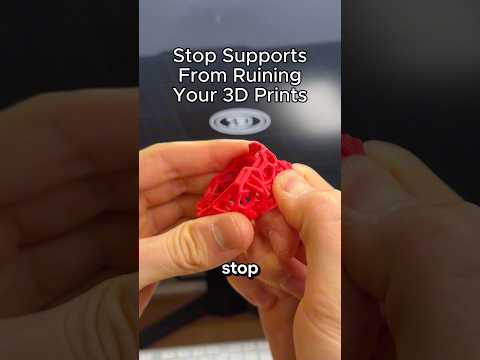
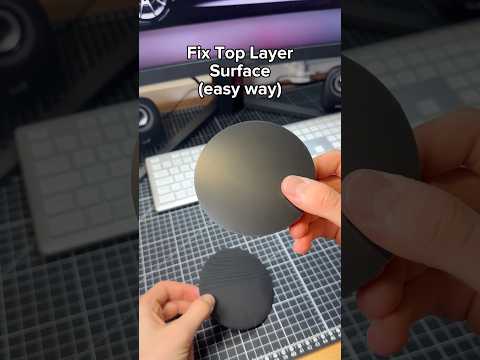
- Top Z distance tweak: Raising the support top Z distance to around 0.275mm made supports pop off with a clean surface.
- Variable (adaptive) layer height: Enabling adaptive layer height noticeably reduced layer lines at the cost of longer print time.
The Hacks That Flopped
- Zero bottom layers: Setting bottom shell layers to zero saved only ~16g of filament while leaving an exposed, ugly base—not worth it.
- PETG support interface: Promising in theory, but results suffered when wet PETG was used. Dry your filament first.
- Annealing PLA in an air fryer: Heating at ~100°C for an hour to strengthen parts didn't show clear results on small samples; a proper oven setup is recommended.
Materials & Tools Mentioned
- ABS, PLA, and PETG filament
- Acetone, airtight container, paper towels, magnets
- Heat gun, air fryer or oven, cutters
- A budget beginner printer for testing prototypes
FAQs
Is acetone smoothing safe? Acetone is flammable and gives off strong fumes—always work outdoors or in a well-ventilated space and avoid open flames.
Which hacks are most beginner-friendly? Dovetail slicer cuts and the top Z distance support tweak require no special gear and deliver reliable results.
Does annealing really strengthen PLA? Controlled oven annealing can improve strength, but temperature control matters—an air fryer is inconsistent.